
Introduction
Imagine the sizzle of a hot stone bowl, the vibrant colors of assorted vegetables, the aroma of savory gochujang sauce, and the delightful mix of flavors dancing on your taste buds. That’s the magic of Korean Bibimbap – a dish that is not only delicious but also a feast for the eyes. Today, I’ll guide you through an easy Korean Bibimbap recipe that will transport you to the bustling streets of Seoul with just one bite.
Easy Korean Bibimbap Recipe is more than just a meal; it’s an experience. This quick and simple Bibimbap guide will show you how to make Bibimbap in 5 steps, ensuring that you can enjoy this traditional Korean dish in the comfort of your own home. Let’s dive into the world of flavors, textures, and colors that make Bibimbap a beloved dish worldwide.
With its roots deeply embedded in Korean cuisine, Bibimbap holds cultural significance as a dish that symbolizes harmony and balance. Each ingredient in Bibimbap plays a crucial role in creating a wholesome and satisfying meal that reflects the essence of Korean culinary traditions.
Embark on this culinary journey with me as we explore the best quick Bibimbap recipe that is perfect for beginners and seasoned home cooks alike. Get ready to discover the art of creating a 5-step traditional Korean Bibimbap that will surely impress your family and friends.
Why You’ll Love This Recipe
Our easy Korean Bibimbap recipe offers a quick and simple Bibimbap guide that allows you to create a masterpiece in your kitchen effortlessly. This best quick Bibimbap recipe is not only delicious but also packed with nutritional goodness, making it a wholesome meal choice for any day of the week.
One of the key highlights of this recipe is its versatility. You can customize your Bibimbap with your favorite ingredients, making it a personalized culinary creation that suits your taste preferences. Whether you’re a fan of spicy flavors or prefer a milder taste, this easy Bibimbap recipe for beginners has got you covered.
By following our homemade quick Korean Bibimbap recipe, you can enjoy the authentic flavors of Korea without the need for extensive cooking skills or hard-to-find ingredients. Experience the joy of preparing Korean Bibimbap in 5 easy steps and impress your loved ones with a delicious and visually stunning dish.
With our quick Bibimbap recipe guide, you’ll learn how to make easy Bibimbap at home, elevating your culinary repertoire with a traditional Korean favorite. From the first chop of vegetables to the final drizzle of sauce, every step in this recipe is designed to make your cooking experience enjoyable and rewarding.
Ingredients
For this easy homemade Korean Bibimbap, you will need the following ingredients:
– Cooked white rice
– Carrots, julienned
– Zucchinis, thinly sliced
– Spinach, blanched
– Bean sprouts, boiled
– Mushrooms, sliced
– Beef (or tofu for a vegetarian option), thinly sliced
– Eggs
– Gochujang (Korean chili paste)
– Soy sauce
– Sesame oil
– Sesame seeds
– Garlic, minced
– Salt and pepper
Feel free to customize your Bibimbap by adding or omitting ingredients based on your preferences.
Step-by-Step Instructions
1. Prepare the Ingredients
Start by cooking white rice according to package instructions. Meanwhile, prepare the vegetables by julienning the carrots, thinly slicing the zucchinis, blanching the spinach, and boiling the bean sprouts. Slice the mushrooms and beef (or tofu) into thin pieces.
Pro Tip: To save time, you can prepare the vegetables and protein in advance and store them in the refrigerator until ready to use.
2. Cook the Protein
In a heated pan, cook the beef (or tofu) slices until browned and cooked through. Season with soy sauce, garlic, salt, and pepper to enhance the flavors. Set aside once cooked.
Cook the eggs sunny-side-up or according to your preference. The rich yolk adds a creamy texture to the Bibimbap.
3. Assemble the Bibimbap
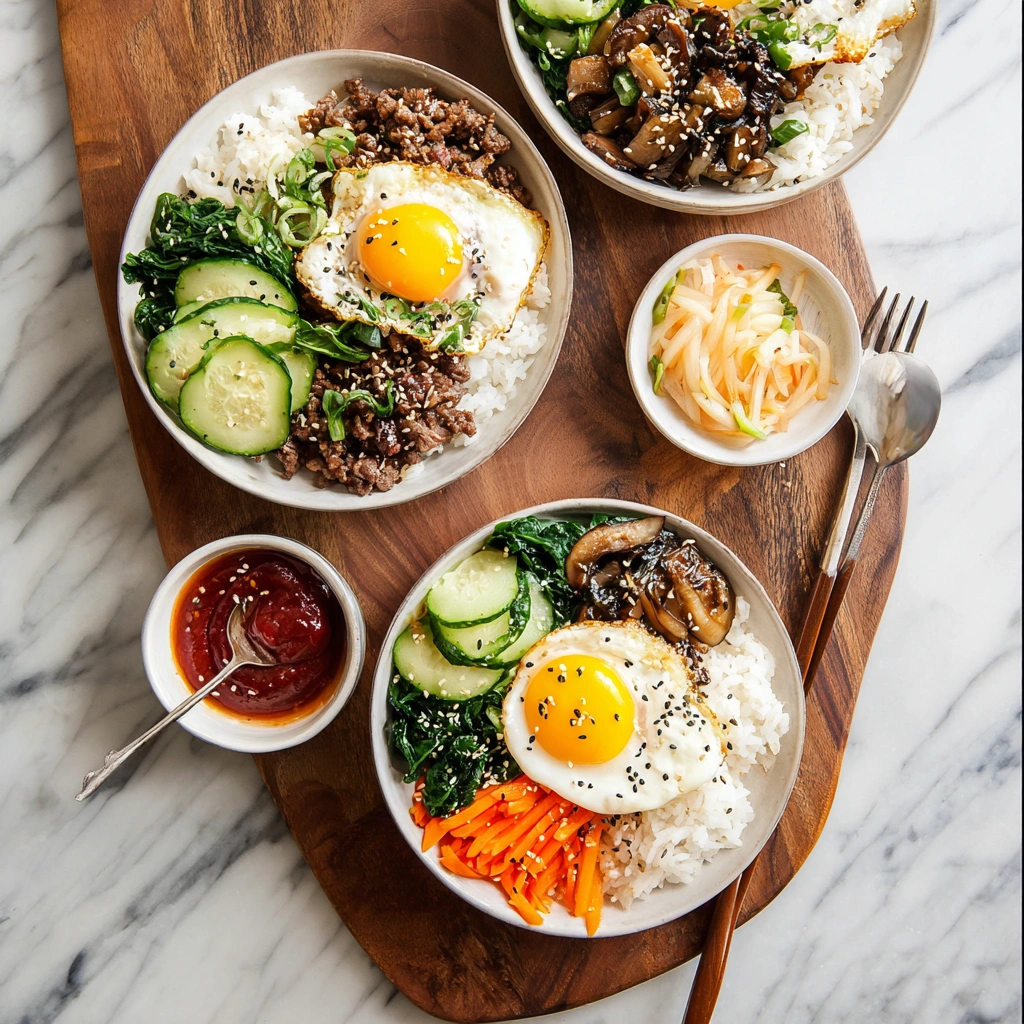
Divide the cooked rice among serving bowls. Arrange the cooked vegetables and protein on top of the rice in sections for a visually appealing presentation.
Place the sunny-side-up egg in the center of the bowl. Drizzle gochujang and sesame oil over the ingredients. Sprinkle sesame seeds for added flavor and texture.
4. Mix and Enjoy
When you’re ready to eat, use chopsticks or a spoon to mix all the ingredients together, ensuring that the gochujang and sesame oil coat every bite. Enjoy the harmonious blend of flavors and textures in each mouthful.
Experiment with different ingredient combinations and ratios to find your perfect Bibimbap mix.
5. Savor the Flavor
Indulge in the delightful flavors of your homemade Bibimbap. The combination of fresh vegetables, savory protein, and spicy gochujang creates a symphony of tastes that will leave you craving for more.
Now that you’ve mastered the art of preparing Bibimbap in 5 easy steps, you can enjoy this delectable Korean dish whenever the craving strikes.

Expert Tips for Success
– Use a hot stone bowl (dolsot) for Bibimbap to create a crispy rice crust at the bottom, adding an extra layer of texture to the dish.
– Customize your Bibimbap with additional toppings such as kimchi, pickled radish (danmuji), or seaweed flakes for added flavor and complexity.
– Adjust the spiciness of the dish by increasing or decreasing the amount of gochujang according to your preference.
– To make Bibimbap vegetarian, simply omit the beef and use tofu or tempeh as a protein substitute.
Variations and Substitutions
If you’re looking to switch things up, here are some creative variations and substitutions you can try:
– Swap the white rice for brown rice or cauliflower rice for a healthier twist.
– Add sliced cucumbers, bell peppers, or radishes for extra crunch and freshness.
– Replace the beef with chicken, pork, shrimp, or even leftover roasted vegetables for a different flavor profile.
– Experiment with different sauces or seasonings to create your signature Bibimbap recipe.
Serving Suggestions
To elevate your Bibimbap experience, consider serving it with traditional Korean side dishes such as kimchi, pickled vegetables, or Korean pancake (jeon). Pair your Bibimbap with a refreshing glass of iced barley tea (boricha) or a Korean rice wine (makgeolli) for a complete meal.
For a casual gathering or family dinner, set up a Bibimbap bar with various toppings and let everyone customize their bowls according to their preferences.
FAQs
Q: Can I make Bibimbap ahead of time?
A: While Bibimbap is best enjoyed fresh, you can prepare the components in advance and assemble the dish just before serving to maintain the optimal texture and flavor.
Q: Is Bibimbap gluten-free?
A: To ensure your Bibimbap is gluten-free, use tamari or a gluten-free soy sauce alternative and check the labels of all packaged ingredients for any hidden gluten sources.
Q: Can I make Bibimbap without eggs?
A: Yes, you can omit the eggs or substitute them with pan-fried tofu, a poached egg, or a soft-boiled egg based on your dietary preferences.
Final Thoughts
As you embark on your Bibimbap culinary adventure, remember that cooking is a journey of exploration and creativity. With our easy Korean Bibimbap recipe, you can delight in the flavors of Korea and create a dish that is as visually stunning as it is delicious.
Whether you’re a novice cook or a seasoned chef, our step-by-step quick Bibimbap guide empowers you to master this iconic Korean dish with confidence and ease. Let the vibrant colors, bold flavors, and rich textures of Bibimbap inspire your culinary imagination and bring a taste of Korea to your dining table.
So, gather your ingredients, set the table, and immerse yourself in the joy of preparing a perfect Bibimbap that will tantalize your senses and leave you craving more. Enjoy the process, savor the results, and share the love of Korean cuisine with those around you. Happy cooking!
5 Easy Steps to Perfect Quick Korean Bibimbap
Experience the vibrant colors, flavorful ingredients, and harmonious balance of Korean Bibimbap with this easy recipe. Create a visually stunning and delicious dish in just 5 simple steps.
Ingredients
- 4 cups cooked white rice
- 2 carrots, julienned
- 2 zucchinis, thinly sliced
- 1 cup spinach, blanched
- 1 cup bean sprouts, boiled
- 1 cup mushrooms, sliced
- 1/2 pound beef or tofu, thinly sliced
- 4 eggs
- 4 tablespoons gochujang (Korean chili paste)
- 3 tablespoons soy sauce
- 2 tablespoons sesame oil
- 2 tablespoons sesame seeds
- 4 cloves garlic, minced
- Salt and pepper to taste
Directions
-
Start by cooking white rice according to package instructions. Prepare the vegetables and protein.
-
Cook the beef or tofu in a heated pan with soy sauce, garlic, salt, and pepper. Cook the eggs sunny-side-up.
-
Divide the cooked rice among serving bowls. Arrange vegetables and protein on top. Add the egg in the center and drizzle with gochujang, sesame oil, and sesame seeds.
-
Mix all ingredients together before eating to coat with gochujang and sesame oil. Enjoy the blend of flavors and textures.
-
Indulge in the delightful flavors of your homemade Bibimbap. Experiment with different ingredient combinations to find your perfect mix.